Source luxury handmade perfume box with ribbon for Jewelry, Cosmetics, and Gifts
Explore 30 listings for a luxury handmade perfume box with ribbon designed for cosmetics, jewelry, and gift packaging. Buyers can compare customization options, materials like cardboard and PU leather, and surface finishes including embossing and hot stamping to find the right supplier.
Key considerations
Products List




Comprehensive Sourcing Guide
Strategic Sourcing Guide for Luxury Handmade Perfume Boxes with Ribbon
Understanding the Technical Architecture of Premium Packaging
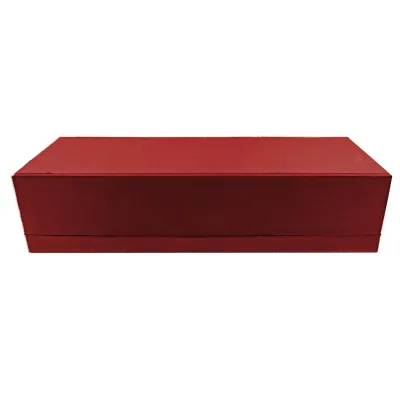
When sourcing luxury handmade perfume boxes with ribbon, the primary objective is to balance aesthetic sophistication with structural integrity. The product category is defined by specific material and construction attributes that distinguish it from standard retail packaging. Based on available industry data, the core substrate for these boxes is predominantly cardboard, with a typical thickness range of 1 to 3 millimeters. This thickness is critical for ensuring the box maintains its shape under the weight of a glass perfume bottle while providing a rigid feel that signals quality to the consumer.
The physical dimensions of the packaging are highly variable, yet specific market observations indicate that "Small" and "Middle" size categories are prevalent for single-unit perfume presentations. The standard single package size for entry-level units can be as compact as 3x3x1 centimeters, though luxury variants often require larger footprints to accommodate ribbons and complex closure mechanisms. The shape is typically rectangular, designed to maximize shelf presence and stacking efficiency. However, the "Cute Cartoon" model number observed in the market suggests that while luxury is the goal, customization allows for unique silhouettes that deviate from the standard rectangle if the brand identity demands it.
A defining feature of the "handmade" aspect in this context is the surface handling and finishing. The data indicates a strong preference for embossing, which adds a tactile dimension to the box surface. This is often complemented by advanced surface finishes such as hot stamping and spot UV. Hot stamping is essential for applying metallic foils or custom logos, creating the shimmering effect associated with luxury goods. Spot UV provides a glossy contrast against matte backgrounds, enhancing the visual hierarchy of the design. The closure type is another technical variable; while "Other Closure Types" is a broad category, luxury perfume boxes frequently utilize magnetic closures, ribbon-tied flaps, or tuck-end designs that require precise folding to reduce storage space and transportation costs, as noted in functional specifications.
Compliance, Certification, and Material Safety Standards
For a product intended for cosmetics and health care products, regulatory compliance and material safety are non-negotiable. The perfume industry operates under strict scrutiny regarding the interaction between packaging materials and the volatile compounds found in fragrances. Buyers must verify that the cardboard used is free from harmful chemicals that could migrate into the perfume liquid or alter the scent profile.
The market data highlights the availability of FSC, SGS, and BV certificates. The FSC (Forest Stewardship Council) certification is particularly relevant for luxury brands aiming to demonstrate environmental responsibility. It ensures that the wood pulp used in the cardboard originates from responsibly managed forests. While the presence of these certificates is observed in the supply chain, buyers must treat them as verification points rather than automatic guarantees. It is imperative to request current, valid certificates for the specific batch of materials being procured. SGS and BV are third-party inspection and certification bodies that provide assurance regarding quality control and compliance with international standards.
Beyond the cardboard itself, the inserts play a crucial role in compliance and product safety. The observed insert options include EVA, sponge, paper card, plastic, foam, and EPE (Expanded Polyethylene). For luxury perfume packaging, the choice of insert material must be non-reactive. Plastic and foam inserts must be verified to be free of phthalates and other volatile organic compounds (VOCs) that could contaminate the perfume. The "Recyclable" feature listed in the product attributes is a significant selling point, but it requires careful validation. A box may be recyclable in theory, but if it is lined with non-recyclable plastic or heavily laminated with non-biodegradable foils, the recycling process may be compromised. Buyers should explicitly inquire about the recyclability of the entire assembly, including the ribbon and any internal inserts.
Cost Drivers and Pricing Dynamics in the Luxury Segment
The pricing landscape for luxury handmade perfume boxes is influenced by a complex interplay of customization, material quality, and production volume. The observed price range in the market spans from $0.02 to $13.60 per unit. This wide variance reflects the difference between basic, mass-produced cardboard boxes and high-end, fully customized luxury units with intricate finishing.
The primary cost driver is the level of customization. The "Customizable" attribute is ubiquitous, but the extent of customization dictates the price. A box with a simple offset print will be at the lower end of the spectrum, whereas a box featuring embossing, hot stamping, spot UV, and a custom ribbon will command a premium. The "Research and Development" capability of the supplier, noted as exceeding 16 years in some profiles, often correlates with higher pricing due to the expertise required to engineer complex structural designs and execute high-fidelity printing.
Volume is the second critical factor. The Minimum Order Quantity (MOQ) ranges from 20 to 10,000 units, with specific listings showing MOQs of 3,000 or 3,000 pieces. High MOQs are common for custom luxury boxes because the setup costs for embossing dies, hot stamping plates, and custom ribbon weaving are significant. Suppliers with lower MOQs (e.g., 20 units) may be offering stock items with minimal customization or may charge a substantial premium per unit to cover the inefficiency of small-batch production. The "Selling Units" being listed as "Single Item" suggests that while the MOQ might be high, the transaction is often calculated per individual box, requiring buyers to budget for the total volume rather than per-unit savings alone.
Typical Applications and Functional Versatility
While the core keyword focuses on perfume, the data reveals that these boxes serve a broader spectrum of high-value applications. The "Usage" attributes list Arts and Crafts, Electronic Products, Jewelry, Food, Garment & Shoes, Greeting Cards, Letters, Gifts, Cosmetic, Health Care Products, Digital Products, Drinks, and Toys. This versatility indicates that the manufacturing processes for luxury perfume boxes are adaptable to various product categories.
For perfume specifically, the box functions as both a protective vessel and a marketing tool. The "Gifts" and "Greeting Cards" usage highlights the role of the box in gifting scenarios, where the unboxing experience is paramount. The inclusion of a ribbon is a standard feature for this application, enhancing the presentation and allowing for easy handling. The "Fold to Reduce Storage Space" function is particularly relevant for brands that ship their products globally; it allows for efficient logistics before the box is assembled at the retail or consumer level.
The "Holiday: All" attribute suggests that these boxes are suitable for year-round gifting, including seasonal promotions. The ability to customize the color to "Any Color" allows brands to align the packaging with specific holiday themes or limited-edition collections. The "Digital Products" usage is an interesting outlier, suggesting that the structural rigidity and premium feel of these boxes are also valued for packaging high-end electronics or digital accessories, where the tactile experience complements the intangible nature of the product.
Supplier Evaluation and Manufacturing Capabilities
Selecting the right supplier for luxury handmade perfume boxes requires a deep dive into their operational capabilities and geographic footprint. The supply chain for these products is concentrated in China, with specific hubs identified in Fujian, Nanchang, and Dongguan, Guangdong. Dongguan, in particular, is known for its advanced manufacturing infrastructure, which may offer superior quality control for complex finishing processes like embossing and hot stamping.
When evaluating suppliers, buyers should look for evidence of "OEM/ODM" (Original Equipment Manufacturer/Original Design Manufacturer) capabilities. The availability of "Custom Logo" and "Customizable" attributes confirms that suppliers are equipped to handle bespoke designs. However, the "Customized" MOQ implies that the supplier must be willing to engage in a collaborative design process. A supplier with "More Than 16 Years" of research and development experience is likely to have a robust engineering team capable of solving structural challenges, such as ensuring the ribbon does not interfere with the closure or that the embossing does not weaken the cardboard.
The "Single Gross Weight" of 0.003kg for some units and "Weight" ranges of <0.5 kg or 0.5-1 kg for others indicate a need to verify the actual weight of the specific model being sourced. This is crucial for calculating shipping costs, especially for international procurement. The "prod_packing" method, which can be "OPP Bag" or "Carton," also impacts the logistics. Bulk shipping in cartons is standard, but individual OPP bagging may be required for high-end retail presentation. Buyers must clarify the packing standard to ensure the product arrives in pristine condition.
Quality Control and Long-Term Procurement Strategy
Maintaining quality consistency in luxury packaging is a continuous challenge. The "Surface Finish" options of Embossed, Hot Stamping, and Spot UV require precise calibration. A common quality issue in this sector is misalignment of the hot stamping or uneven embossing depth. To mitigate this, buyers should implement a rigorous quality control protocol that includes pre-production sampling. The "Certificate: FSC/SGS/BV Certificate" should be used as a baseline, but on-site inspections or third-party audits are recommended for the first few production runs.
Long-term procurement considerations involve building a relationship with a supplier who can scale with the brand. The "MOQ: Customized" attribute suggests flexibility, but buyers should negotiate volume-based pricing tiers. As the brand grows, the ability to increase order quantities without a proportional increase in unit cost is vital. The "Dimension: Customized" and "Size: Middle/Small" options allow for product line expansion, but consistency in the "Cardboard Thickness" of 1-3mm should be maintained across all SKUs to ensure brand uniformity.
Furthermore, the "Insert" options provide an opportunity for value-addition. Using high-quality EVA or sponge inserts can protect the perfume bottle during transit and enhance the unboxing experience. However, the cost of these inserts must be factored into the total landed cost. The "Feature: Recyclable" attribute should be a long-term goal, with the supplier working towards more sustainable materials as the brand's environmental commitments evolve.
Comparison of Key Product Attributes
To assist in the decision-making process, the following table summarizes the key technical and commercial attributes observed in the market for luxury perfume boxes. This comparison helps buyers identify the specific requirements that align with their brand strategy.
| Attribute Category | Observed Range/Options | Strategic Implication |
|---|---|---|
| Material | Cardboard (1~3mm thickness) | Ensures rigidity; thickness affects cost and protection level. |
| Surface Finish | Embossing, Hot Stamping, Spot UV | Critical for luxury feel; requires high-precision supplier. |
| Customization | Logo, Color (Any), Size, Dimension | High flexibility allows for unique brand identity. |
| MOQ | 20 to 10,000 (Commonly 3,000) | Lower MOQs available but may cost more per unit. |
| Origin | Fujian, Nanchang, Dongguan, China | Dongguan often associated with advanced manufacturing. |
| Certifications | FSC, SGS, BV (Available) | Essential for compliance and sustainability claims. |
| Packing | OPP Bag, Carton | Affects shipping efficiency and retail presentation. |
| Weight | <0.5 kg to 0.5-1 kg | Impacts logistics and shipping cost calculations. |
By carefully analyzing these attributes and adhering to the verification protocols outlined, buyers can successfully source luxury handmade perfume boxes with ribbons that meet the highest standards of quality, compliance, and aesthetic appeal. The key lies in balancing the desire for customization with the practical realities of manufacturing and logistics, ensuring a product that not only protects the perfume but elevates the brand experience.
FAQs
What materials are used for luxury handmade perfume boxes?
Cardboard is the primary substrate, typically ranging from 1 to 3 millimeters in thickness to ensure structural rigidity. This material supports various surface finishes like embossing and hot stamping while maintaining the premium feel required for luxury packaging.
Can I customize the logo and color of the box?
Yes, customization is available for both the logo and color. Buyers can request custom logos and select any color to match their brand identity, with options for specific surface handling techniques like offset printing or spot UV to enhance the design.
What certifications are available for these packaging products?
Suppliers offer FSC, SGS, and BV certificates to verify material safety and quality standards. These certifications ensure the cardboard originates from responsibly managed forests and meets international inspection requirements for cosmetics and health care product packaging.
How does the MOQ affect the pricing of these boxes?
Minimum Order Quantities range from 20 to 10,000 units, with some listings requiring 3,000 pieces. Higher volumes generally reduce the unit cost, while lower MOQs may incur a premium due to setup costs for custom dies and printing plates.
Which surface finishes are suitable for luxury perfume packaging?
Embossing, hot stamping, and spot UV are common surface finishes that add tactile and visual appeal. These techniques create shimmering effects and glossy contrasts, which are essential for signaling quality and sophistication in luxury perfume presentations.
What are the typical dimensions and weight of these boxes?
Sizes vary from small to middle dimensions, with specific models measuring 3x3x1 centimeters. The weight ranges from under 0.5 kilograms to 0.5-1 kilogram depending on the cardboard thickness and the inclusion of inserts like EVA or foam.
Where are these luxury boxes typically manufactured?
Manufacturing is concentrated in China, with key hubs in Fujian, Nanchang, and Dongguan, Guangdong. These locations offer advanced infrastructure for complex finishing processes and are known for their capability to handle OEM and ODM requests.